


Arizona CMU Alumni: Diamondbacks vs. Tigers
-
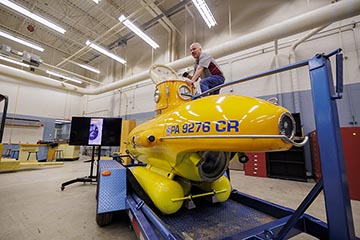
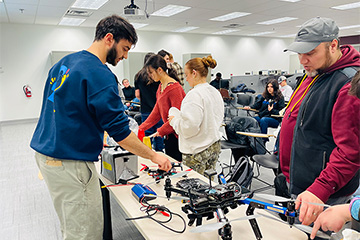
In the College of Science and Engineering, we explore everything from the depths of the Great Lakes to the farthest corners of the universe. You'll learn closely from experts in your discipline. You'll get hands-on learning experience through labs, research opportunities and internships. You'll have access to state-of-the-art equipment and technology.
The College of Science and Engineering and the School of Engineering and Technology have been ranked 75th nationally for Best Undergraduate Engineering Degrees by U.S. News and World Report (2022).

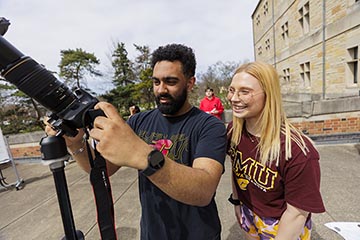
We do stargazing and research at the Brooks Astronomical Observatory right on campus.

Live and learn alongside fellow future scientists and engineers. Experience academic, community building, volunteer service and leadership development activities available only to residents.

With the Great Lakes as our laboratory, we study coastal wetlands, conservation genetics, fisheries and invasive species.

The CMU Biological Station's freshwater ecosystems, natural habitat, and 7 biologically unique inland lakes provide an unmatched research environment.

We have provided geospatial services to university, government, non-profit organizations, and private industry for over 25 years.

